How Do Infrared Heaters Work?
We describe what infrared heat is, how it works and why it's different from other forms of heat transfer
Radiant heat is the most basic form of heating known to man
There are three different types of heat transfer; conduction, convection and radiation, and far infrared is radiant heat

Conduction
Heat transfer through contact between objects
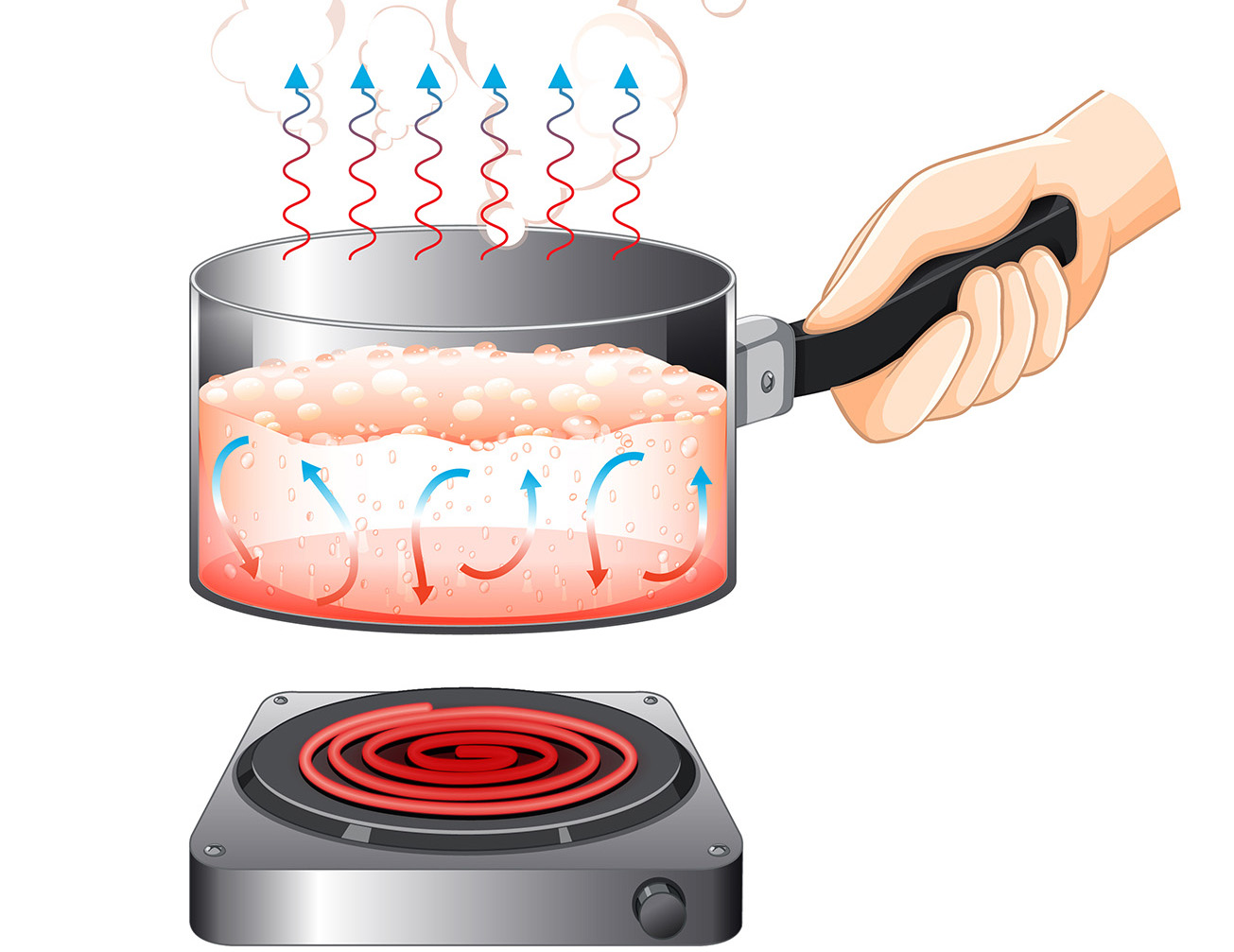
Convection
Heat transfer through the heating of the air
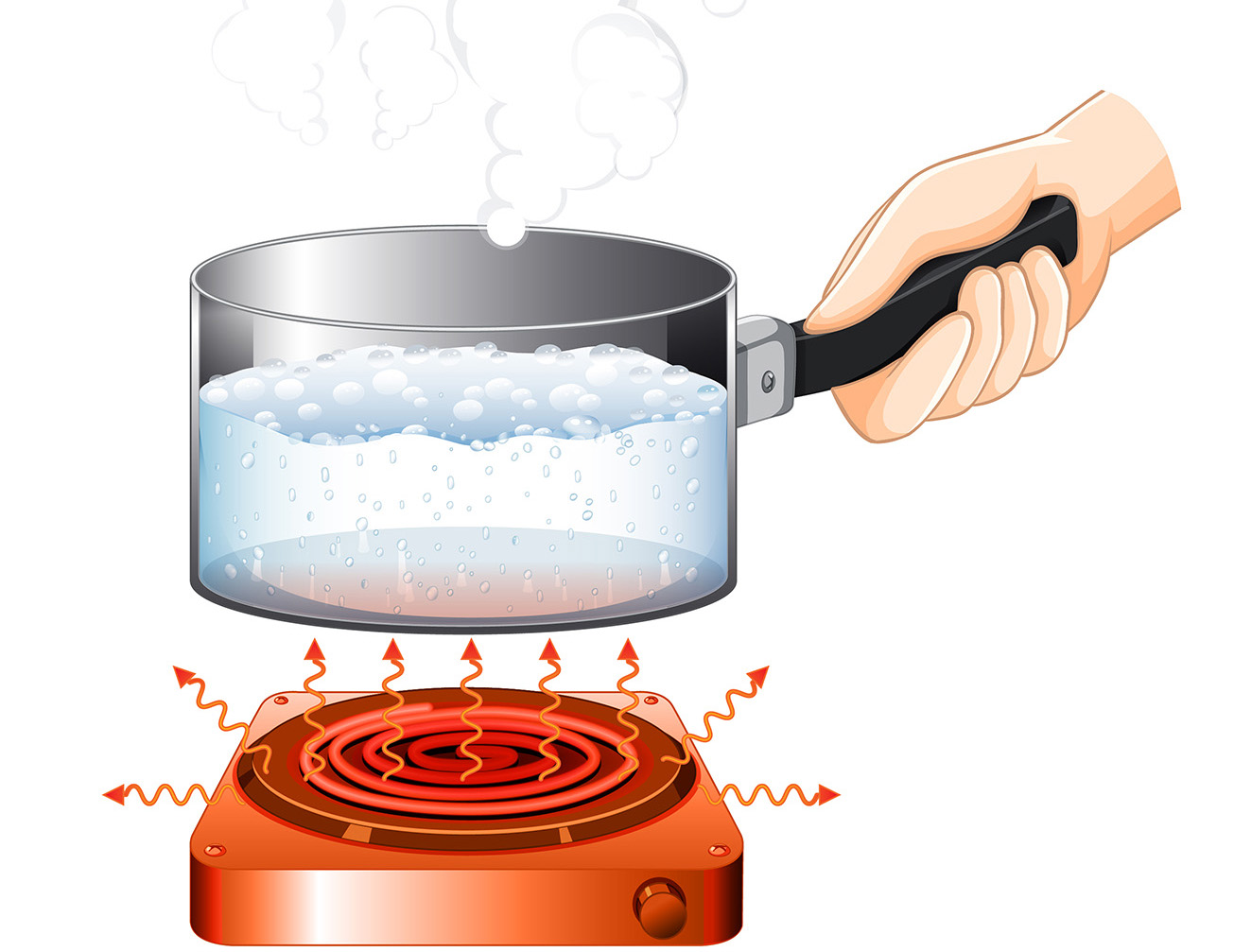
Radiation
Heat transfer through direct warming of the environment and thermal mass

Make your room a 360° radiator
Radiant heat is invisible light. In the same way that lights are sited to light a room, Herschel Infrared heaters emit heat to directly warm the walls, floor and ceiling of a building (the ‘thermal mass’). Once the thermal mass is warm, the building itself retains the heat for a period of time, so the heater only needs to be on to top up.
Most of other forms of heaters are convection heaters which primarily heat volumes of air, which then has to transfer its heat to the building in order to warm the thermal mass. The problem is that hot air rises to the ceiling (where you don’t want it) and easily escapes with draughts and open doors. The direct transfer of heat to the building is why Herschel is more efficient and saves energy compared to convection heating.
It also more comfortable because you don’t have cold floors and stuffy air.
Radiant Infrared Heating Enhances Comfort and the Health of the Indoor Environment

Heat we were designed for
Infrared is completely safe and is, in fact, the same wavelength that our bodies absorb and emit. Humans are radiant objects.
More than 60% of our sense of comfort or discomfort is governed by our radiant heat gain or loss. Only 15% of our sense of comfort is governed by air temperature and movement.
This means we usually feel warm if we’re absorbing heat from our environment and often feel cold if we’re radiating out our own body heat to the outside world.
For most people, if the environment around us is more than 26C or less than 16C, we feel discomfort, because we are either gaining or losing too much body heat.
So, if we warm the walls, ceiling and floor of the room we are in (not the air) to at least 17c and ideally to around 22c, our bodies will stop perceiving that we are losing heat and we will feel warm and comfortable.
This is the objective of infrared heating: to build up “thermal mass” in an environment and let it keep you warm.
The Discovery & Science of Infrared Heat
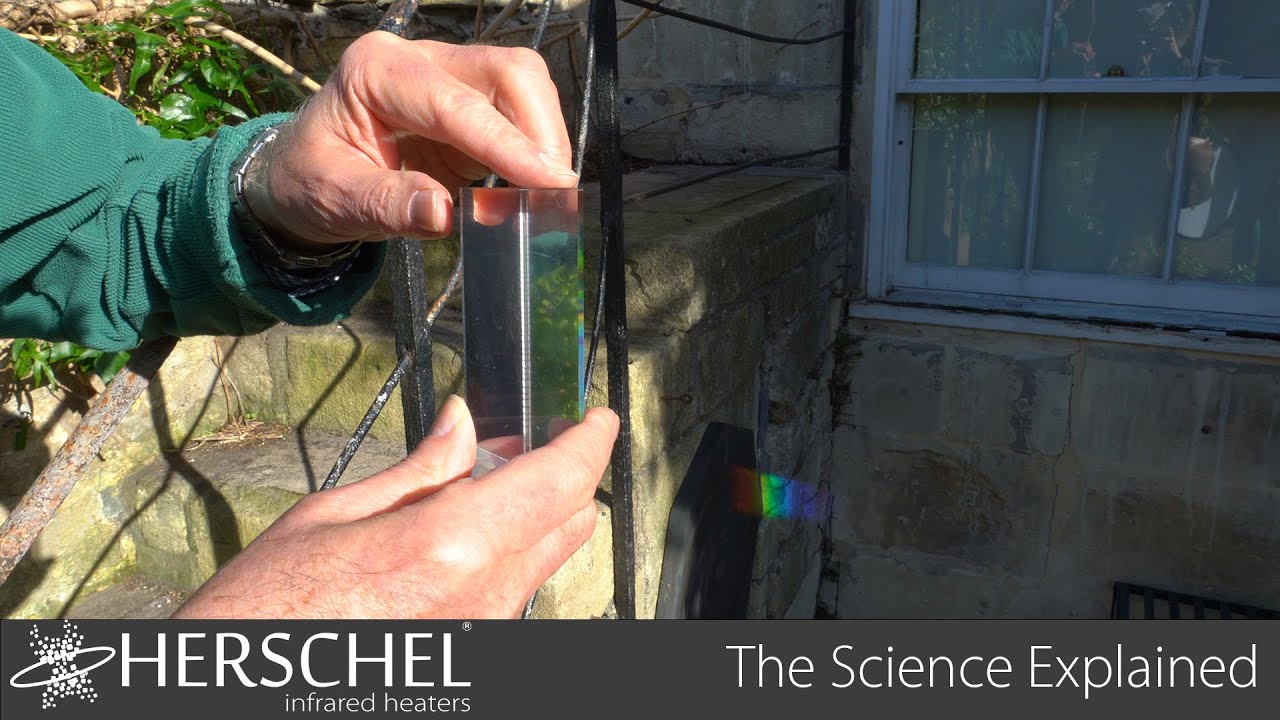
Robert Fosbury, Astronomer and Professor of Ophthalmology, explains how William Herschel made his discovery of infrared back in 1800. Herschel made his incredible discovery using a prism to study the heating effect of different colours of light. Watch as Robert uses a prism to produce a spectrum of colours on the wall of William Herschel’s very own home – the very home from which William Herschel also discovered the planet Uranus in March 1781 (now The Herschel Museum of Astronomy).

Air is an unnecessary link in the chain
Convective heat sources only heat the air and not the environment. Air has a lower ability to transfer thermal energy to a surface and warm the environment, radiant heat has a higher rate of heat transfer per kilowatt than convection, so you need less of it. This results in a lower kW requirement and lower running times and is why infrared heating saves energy.
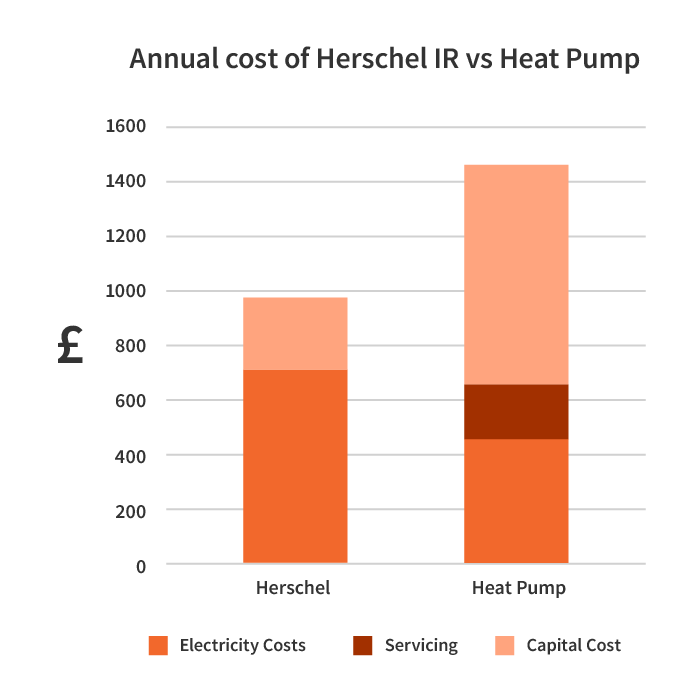
Infrared offers high levels of thermal comfort at lower air temperatures. When total costs of ownership of a heat pump versus infrared heating are considered over the lifetime of the heating (purchase, installation, running, maintenance, replacement) infrared presents a very compelling picture.
Browse all infrared heaters
-
10 Year WarrantyRecyclable PackagingFully RepairableWiFi










 View Product
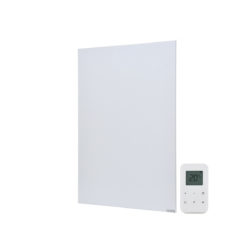
Comfort – white infrared heating panel
FROM $849.00 -
5 Year WarrantyPlug & PlayWiFi
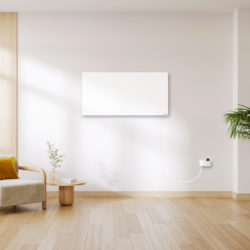
 View Product
Select XLS – Easy DIY heater & control combination
FROM $769.00 -
5 Year WarrantyPlug & PlayWiFi
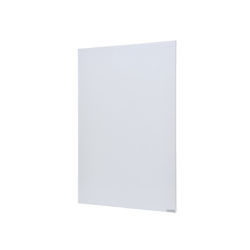
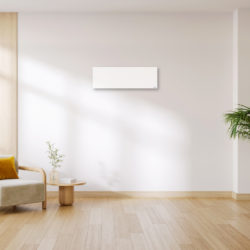



 View Product
Select XLS – White Frameless Infrared Panel Heater
FROM $499.00 -
5 Year WarrantyWiFiLED LightingIntegrated Controls
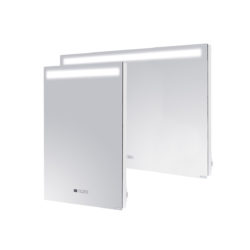
 View Product
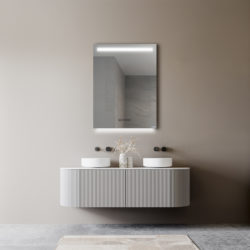
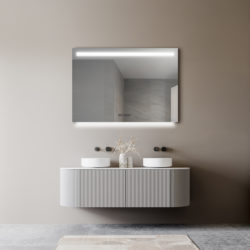
Select XLS – Mirror Infrared Heater with Lights and Integrated Controls
FROM $1,299.00 -
5 Year WarrantyWiFi



 View Product
Select XLS – Mirror Infrared Heater
FROM $799.00 -
5 Year WarrantyWiFiColour OptionsIntegrated Controls
 View Product
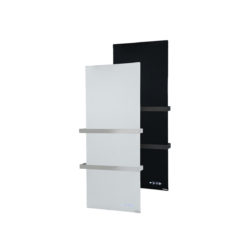
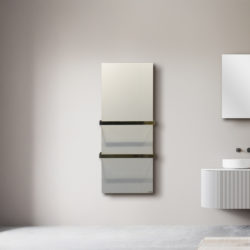
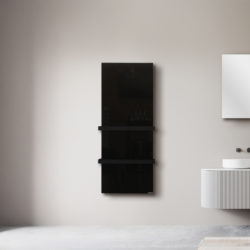
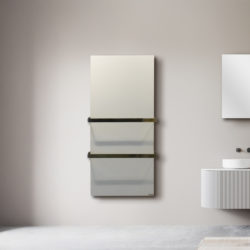
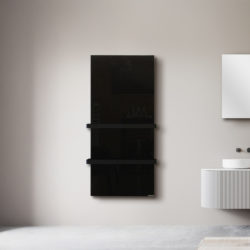
Select XLS – Infrared Towel Heater
FROM $999.00